
 Português
 English
 Español
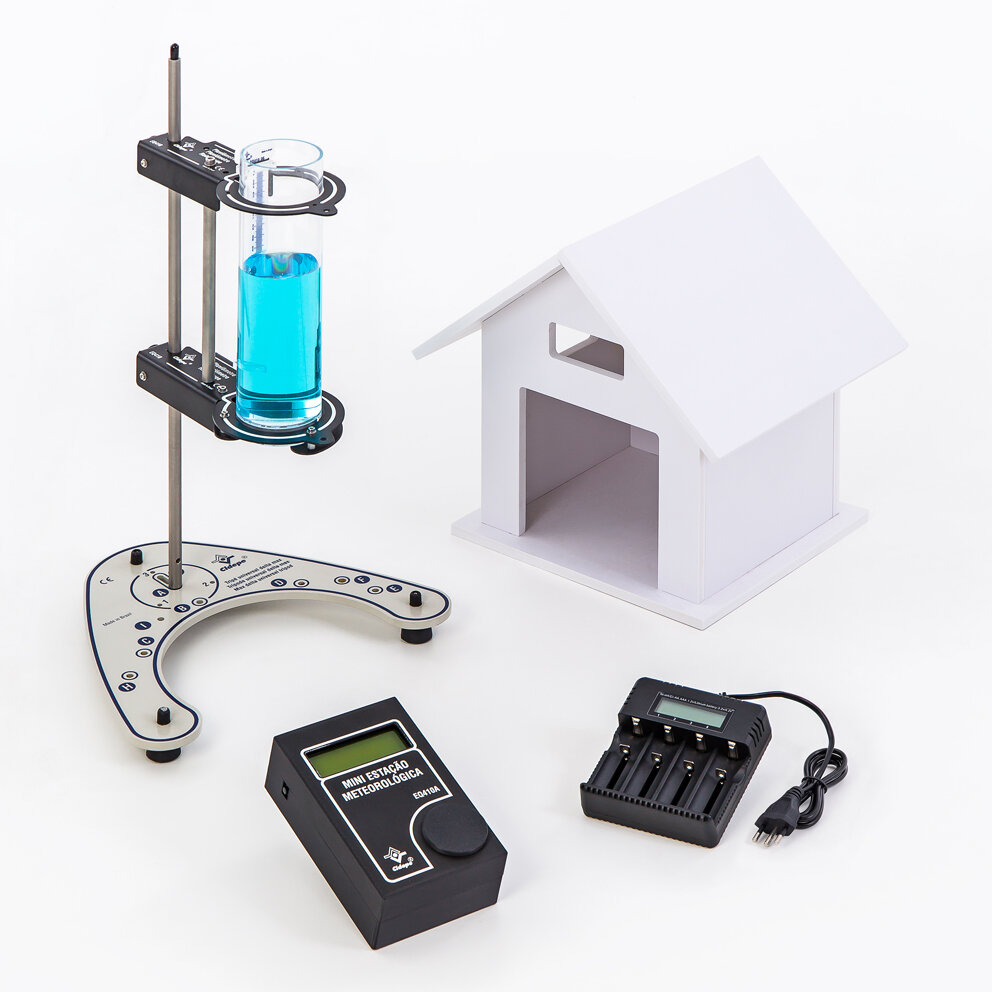
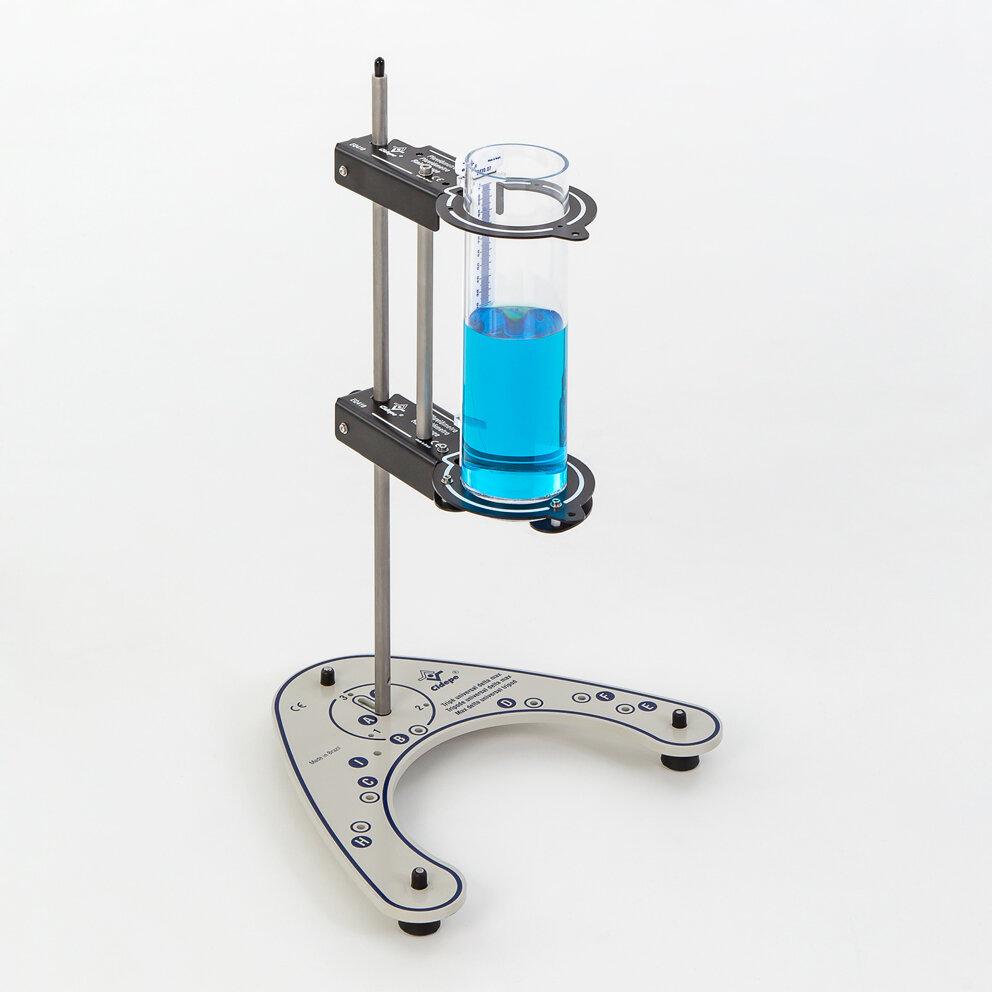
Mini educational weather station with rain gauge
Code: EQ410B

Function
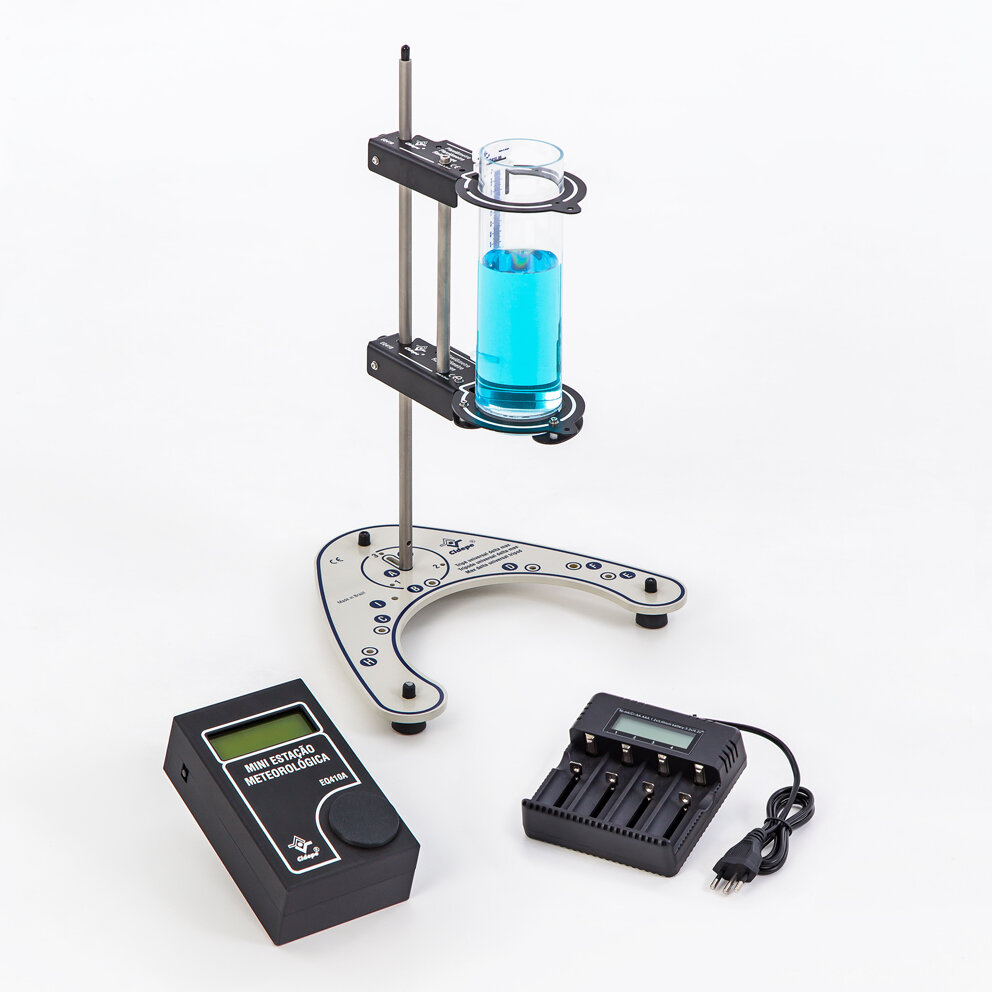
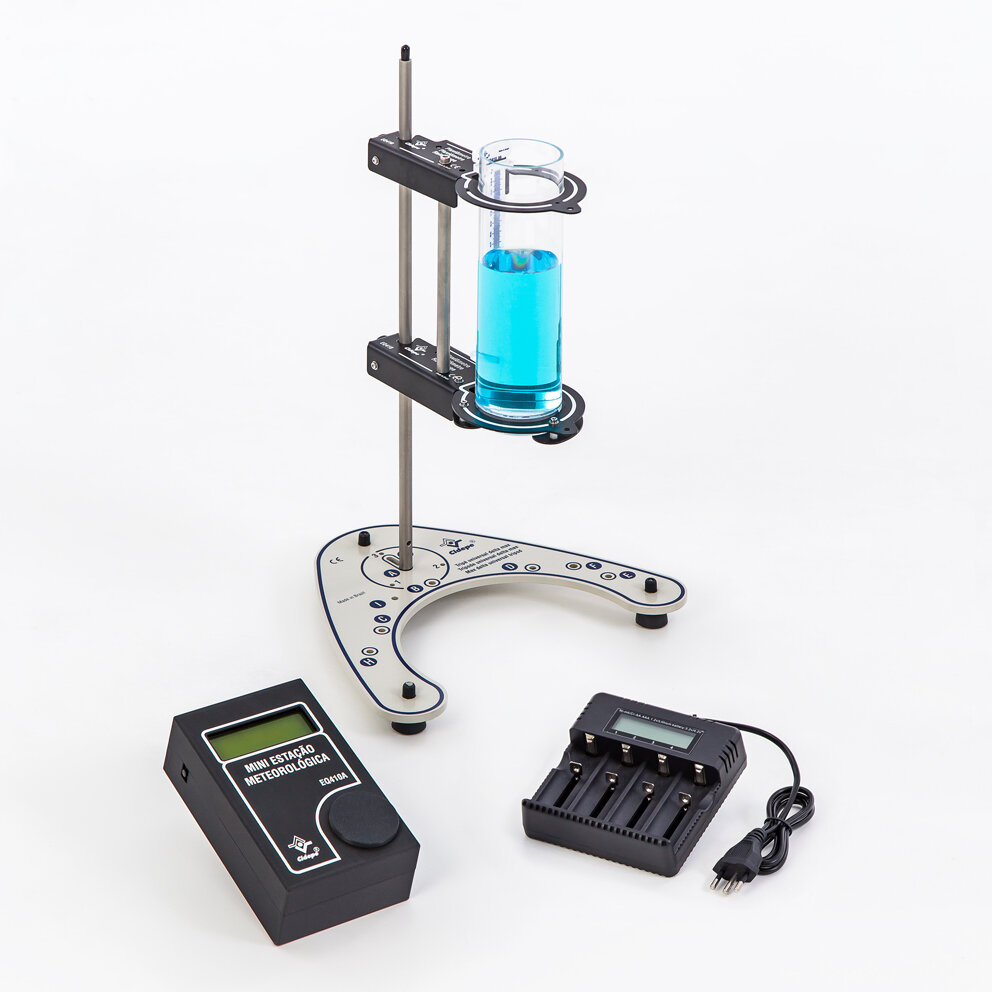
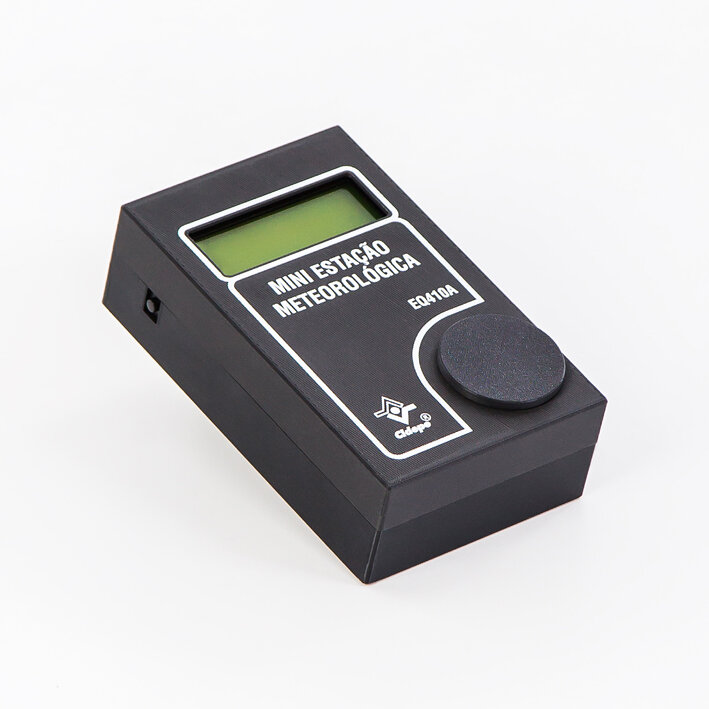
Intended for experimental study, natural sciences and geography laboratory, and the performance of experiments on: Meteorology. Measurement, recording and analysis of atmospheric variables. Obtaining data on atmospheric pressure, air temperature and relative humidity over time. Monitoring variations in the quantities atmospheric pressure, air temperature and relative humidity at different times. Construction of experimental tables and graphs and comparison with data from official meteorological stations, favoring the interpretation of climatic phenomena and understanding the behavior of atmospheric conditions. Spatial geometry. Determination of the volume of water precipitated over a surface. The importance of precipitation in the water cycle and environmental balance. What is meant by rain gauge. Measuring the perimeter of the school courtyard. Determining the area of the school courtyard. Collection of precipitation data. Relationship between rainfall height and precipitated volume. Conversion of rainfall height into volume. Analysis of the results. Graphical representation of precipitation, constructing a hyetogram. Determining the area of the collector chamber of the rain gauge. Determining the volume of rainfall precipitated in the rain gauge. What is meant by hyetogram. Obtaining graphs. Statistics. Statistical analysis of local precipitation data. Performing statistical analysis of local precipitation. Arithmetic mean. Determining the arithmetic mean of precipitation data. Mode. Frequency. Determining the mode of precipitation data. Median. Determining the median of precipitation. Determining the median for sets with an odd number of data points. Determining the median for sets with an even number of data points. Sample variance. Determining the variance of measured data. Sample standard deviation. Determining the sample standard deviation. Obtaining graphs. Observation and recording of data. Analysis of the mean. Analysis of the mode. Analysis of the median. Data variability. Environmental interpretation of the results. Comparing precipitation data at the school with data from official meteorological stations. Coordinated Universal Time, UTC. Converting local time to UTC. Relationship between rainfall height and precipitated volume. What is meant by hyetogram. Obtaining graphs local rain gauge. Comparing precipitation data obtained with data from official meteorological stations. Determining the cumulative precipitation of data from official meteorological stations. Obtaining graphs from nearby official meteorological stations rain gauge, etc.
Quote product